Don’t Fall Victim to These 6 COVID-19 Scams
Leighton Campbell • April 7, 2021
t’s always scam season of some sort, and COVID-19 scams are in style right now.
The Federal Trade Commission has reported several vaccine-related scams that can be easily avoided with education and awareness. Some of the more common scams happening right now include:

After months of social distancing and being apart from family and friends, it’s hard to resist connecting with new people. But scammers are taking advantage of this loneliness to trick people out of their money. If you or someone you know gets a message from a stranger on the internet, beware, because the person who messages you may not be who they say they are.

During the pandemic, we’re doing more online – working, connecting with family and friends, shopping, and banking. So, if something goes wrong with your device, you want to fix it right away. Scammers are preying on this, offering phony tech support services. Here’s what you should know about tech support scams.
Must Read Newsletter
Sign up for news and events
Newsletter
Most Popular
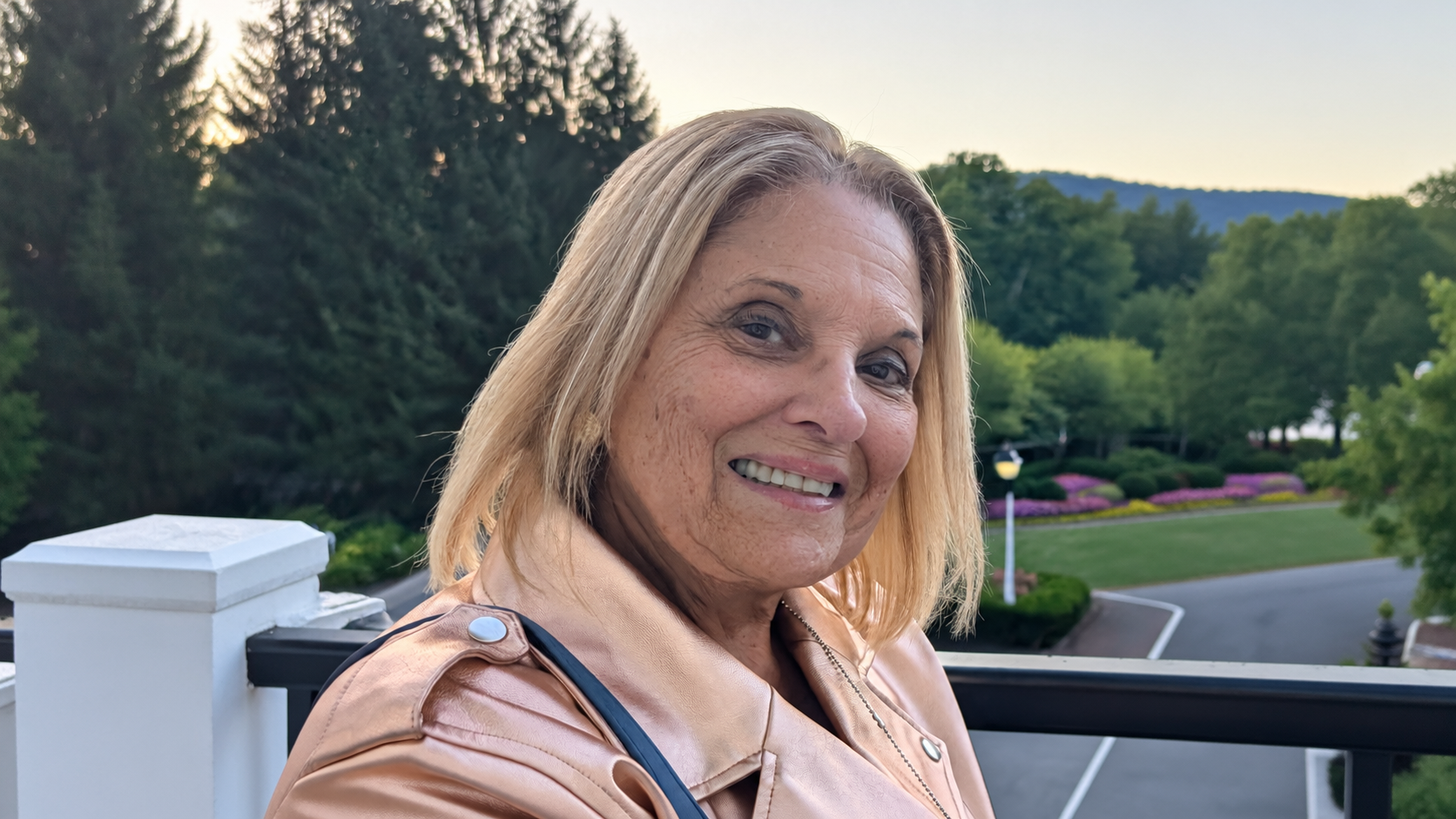
For over thirty years, my professional identity was recognized in the high-velocity world of international business. As the CEO of an international enterprise, every day was a lesson in strategy, crisis management and the day to day ups and downs of employees ... and all on a global scale. My calendar was dictated by differing time zones, in person and Zoom meetings and the relentless pursuit of growth. When I eventually stepped down from my position, many assumed I was headed for the proverbial finish line—a life of quiet leisure and detachment. They were mistaken. I didn't retire. I pivoted. National Older Workers Employment Week serves as a reminder that experience is not a depreciating asset—it is a reservoir of untapped potential. My transition from the corner office to full-time executive volunteer leadership has been a most transformative chapter of my career. It has reinforced three pillars that I believe are essential to both professional and personal longevity: connection, purpose and resilience. In the corporate world, "connection" often refers to networking for advancement or influence. In the nonprofit sector, connection is about humanity. Whether I am serving on a board or leading an advocacy initiative, the goal is to bridge the gap between resources and those who need them most. I have found that my decades of leadership experience translate perfectly into this space. The discipline, decision-making capabilities and strategic thinking I honed as a CEO are not just applicable to volunteer work: they are essential to it. It turns out that the soft skills required to lead a global team are the exact same ones needed to rally a group of passionate volunteers toward a common mission. Purpose, too, has undergone a metamorphosis. For years, my purpose was defined by bottom-line success and stakeholder value. Today, my purpose is defined by impact—by ensuring that organizations operate with the same efficiency and vision as any Fortune 500 company, but with a mission that serves the community rather than shareholders. This “executive volunteer leadership” requires the same rigor as any for-profit endeavor, perhaps even more, because the stakes are often measured in human well-being rather than quarterly earnings. Finally, there is resilience. As an older worker, I have seen economic downturns, global shifts and countless periods of change. That perspective is invaluable. When challenges arise in a nonprofit organization, I don’t panic. I have been there, done that, and I know that solutions are built through steady, intentional effort. Resilience is the ability to maintain momentum when others might lose their footing. To my peers in the workforce: do not fear the label of “older worker”. You bring a depth of wisdom that cannot be taught in a seminar. We have the rare opportunity to redefine what contribution looks like. Whether you are still in the office or moving into a new phase of service, keep showing up. Keep learning. Keep leading. We are not winding down; we are just beginning to focus our energies on what truly matters.

The last five years of the Juanita C. Grant Foundation can best be described as a period of swift maturation and profound transformation. During this time, our understanding of our mission deepened. We came to recognize that community engagement is not simply about delivering programs and services; it is about recognizing the humanity, experiences, strengths, and gifts of every person meet. During our trainings and workshops, our interactions with participants often became much more than an exchange of information. Participants shared their stories, life experiences, concerns, and wisdom. Their voices deepened our understanding of the people and communities we serve and reminded us that meaningful engagement begins with listening. Those conversations led us to reflect on two essential truths at the heart of our work: Every individual has inherent value, and meaningful connections are created when people feel seen, heard and supported. Choosing the Circle Those conversations led us to reflect on two essential truths at the heart of our work: Every individual has inherent value, and meaningful connections are created when people feel seen, heard and supported. We began looking for a symbol that could express these two truths clearly and simply: From that reflection; the circle emerged as the clearest expression of our purpose: a simple symbol of individual worth, shared connection, and belonging. The circle represents connection, inclusion, continuity, and belonging. As the ancient Greek philosopher and mathematician Pythagoras observed, the circle is unique because it has no beginning or end, no sides or corners. It represents wholeness, which resonated as a symbol for the work we are doing with and for older adults. The Village Connector Experience (VCE), our structured outreach call service for older adults, demonstrated the power of the circle in a deeply personal way. Through our VCE Ambassadors, older adults experiencing social isolation were encouraged to rebuild connections with family, friends, and their communities. The relationship between an Ambassador and their VCE member became a circle of trust . The Ambassador listened, understood the individual's circumstances, and worked with each member to establish personal goals for reconnecting with others. The purpose was not simply to make a phone call. It was to help each person move beyond the losses that contributed to isolation and begin rebuilding a meaningful circle of relationships. Relationships as Expanding Circles This idea echoes the work of British anthropologist Robin Dunbar, who described social relationships as a series of concentric circles. Our closest relationships sit at the center, while friends, meaningful contacts, and broader social connections extend outward. Our experience has shown us that strengthening one relationship can create the conditions for many others to grow. Our workshops strengthened as we moved beyond providing information and started designing event experiences that encourage participation, reflection, and behavior change. Building Circles of Safety This transformation has been especially visible in our Fraud and Elder Abuse Prevention Workshops. The stories shared by presenters and participants create meaningful connections among law enforcement, local officials, safety advocates, older adults, families, and the broader community. Within each workshop, a circle of safety begins to form. From Awareness to Action Workshop participants leave with more than prevention information. They leave with practical steps they can take to protect themselves and others. They also commit to sharing prevention cues with family and friends. In this way, one conversation leads to another, one person reaches another, and the circle of safety continues to expand throughout the community. This is empowerment in action. Wellness as an Integrated Circle Our newest work in wellness brings together the lessons of the Village Connector Experience and our Fraud and Elder Abuse Prevention Workshops. It reminds us that well-being is not shaped by one factor alone. A healthy and purposeful life is supported by interconnected circles. The circle of life calls us to seek balance, practice real self-care, nurture relationships, remain connected to our communities, and approach each day with greater mindfulness and intention. Over the past five years, we have listened, learned, connected, and grown alongside you and the communities we serve. Those shared experiences have helped shape the 2026 launch of Forward Together , our umbrella initiative built around three pillars: Forward Wellness - strengthening well-being, self-care, social connection, and purposeful living. Forward Unity - creating meaningful connections across generations and building stronger, more inclusive communities. Forward Village Connector - reducing social isolation by helping older adults strengthen their circles of connection and belonging. Together, these pillars uphold our Empowerment Circle . For the Juanita C. Grant Foundation, the circle is much more than a symbol. It reflects our relationship with you, our partners, participants, families, advocates, and neighbors. It is the journey we are sharing together. It represents where we have been, where we are today, and where we are going as a community. Most of all, it reminds us that resilience is not built alone. It grows when we stand alongside one another through relationships, trust, protection, purpose, and belonging. As we move Forward Together , we are embracing a bold new trajectory: Transforming loss into resilience by surrounding elders with trust, protection, and belonging. And, just as a circle has no beginning or end, we believe our work continues - one relationship, one conversation, and one empowered individual at a time. Share your thoughts at info.jcgfdn.org
In commemorating America's 250th anniversary, we have an opportunity not only to celebrate our nation's achievements but also to reflect honestly on where we are and where we hope to go together. Our greatest strength has always been our enduring ideals. Whether we look to the Declaration of Independence's vision of liberty, equality, and government by the consent of the governed, or to the Constitution's framework of separated powers, federalism, and the Bill of Rights, these principles continue to inspire people around the world. They remain a foundation worth strengthening for future generations. Our democracy faces challenges that test our commitment to those ideals. One is increasing polarization, where disagreement too often becomes division, making it harder to listen with curiosity, seek common ground, and solve problems together. Another is the rapid pace of today's digital world, where constant streams of information can discourage thoughtful reflection and meaningful dialogue. A third challenge is the gradual decline of deep reading and lifelong learning—habits that help us evaluate ideas carefully, understand differing perspectives, and make informed decisions rather than simply reacting to headlines or social media. America's founders envisioned citizens who are independent thinkers, engaging with thoughtful ideas, and participate responsibly in civic life. While our nation has continued to evolve toward a broader and more inclusive understanding of democracy, that expectation remains relevant today. Healthy communities depend on people who are willing to learn, ask questions, listen respectfully, and remain open to growth throughout their lives. The phrase "the pursuit of happiness" has often been understood as the pursuit of personal fulfillment, but for many of the nation's early thinkers it also reflected a lifelong commitment to developing character, wisdom, and responsibility. It was about cultivating qualities such as courage, prudence, justice, and self-discipline—recognizing that personal growth contributes to the well-being of families, neighborhoods, and communities. So, what can business leaders do to build on America's strengths and counteract its weaknesses? I can share my own experience. During COVID, I spent a year following Thomas Jefferson's demanding schedule, getting up early to read moral philosophy for two hours. That experience changed my daily habits and got me back into the habit of deep reading, which I had lost to my screen addiction. . Now, I have a new rule: when I wake up, I must read a book for at least half an hour before I can browse or check email. It has been transformative. It has provided the space to write my Hamilton-Jefferson book, inspired new creative work, and reinforced the simple but powerful habit of learning something new each day—a practice that continues to enrich both my personal growth and my connection to others. It's a gift.
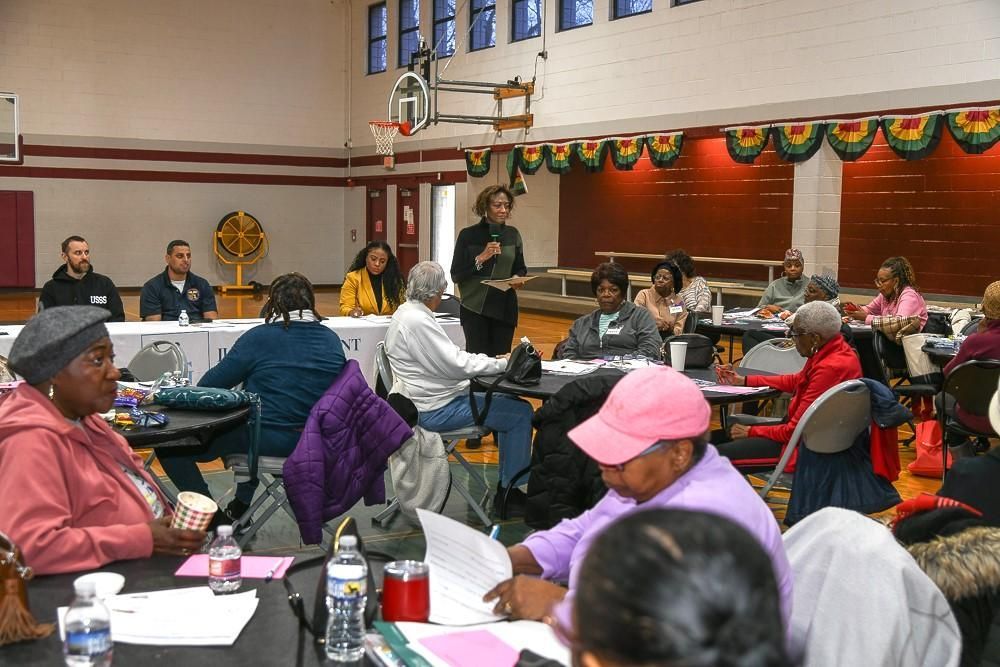
Eight years ago, before fraud, scams, and elder abuse were widely recognized as the national crisis as it is today, the Juanita C. Grant Foundation saw troubling signs emerging in our communities. We listened to the stories. We watched the numbers rise. We witnessed the emotional, financial, and psychological toll that exploitation was taking on older adults, individuals with disabilities, and their families. What concerned us most was not simply that these crimes were increasing, it was that the community's role in prevention was largely absent from the conversation. We saw a void. We recognized that responding to fraud and elder abuse would require more than occasional awareness campaigns or news headlines. It would require a thoughtful, evidence-based, and community-centered approach that brought information, resources, and trusted professionals directly to the people most affected. On a fiercely rainy and cold March 7, 2018, with Prince George's County State's Attorney Angela Alsobrooks as our opening speaker, we launched eight years of ongoing fraud, scam, and elder abuse prevention trainings. What began as a response to a growing concern evolved into a powerful community initiative built on partnerships, research, and the voices of those we serve. Over the years, our evaluation data and ongoing research helped shape and strengthen our approach. We assembled rotating panels of local, state, and federal law enforcement agencies that provided up-to-the-minute information on emerging scams, local cases, and criminal trends. We expanded our network of guest speakers to include banking professionals, Adult Protective Services representatives, elder law attorneys and victim advocates. Yet one lesson became abundantly clear: facts and statistics alone do not change behavior. Stories do. The most impactful moments in our trainings happen when a speaker or a participant shares their experience. Their story may describe losing a lifetime of savings to a sophisticated scam. Another may speak about watching a friend become increasingly isolated and controlled by a caregiver. I have shared my stories of being a frequent target of computer scams. Sometimes the stories are difficult to hear. Often, they are deeply personal. During many workshops, I will sit beside participants as they tell their stories. What begins as one person's willingness to speak often gives another person permission to do the same. In those moments, something powerful happens. The training becomes more than information, it becomes connection, support, and healing. The room transforms from a group of attendees into a community looking out for one another. That sense of community is critical because fraud and abuse thrive in isolation. Remember that! Scammers use pressure, fear, urgency, and secrecy to manipulate their targets. They encourage people to act before consulting a trusted friend or family member. Similarly, elder abuse can occur when an older adult or person with disabilities becomes dependent on someone who may misuse their position of trust. When there is an imbalance of power and limited outside oversight, opportunities for exploitation increase. Again, isolation is the key. The antidote to both situations is connection. People need trusted individuals who check in regularly. They need social networks that provide support, perspective, and encouragement. They need circles of safety that can interrupt the forward movement of a scam before financial or emotional damage occurs. That is why our trainings focus not only on recognizing red flags and understanding prevention strategies, but also on strengthening social connections and empowering participants to become advocates within their own families and communities. One of the greatest rewards of this work is hearing from repeat attendees. Time and again, participants tell us they shared our resource materials with family members, friends, neighbors, or fellow congregants. Many have reported that the information helped someone avoid becoming a victim or gave them the confidence to intervene when something did not seem right. Those conversations matter. Every resource shared. Every warning discussed. Every family conversation started. Every friend who checks on another friend. These actions create ripples that extend far beyond any single workshop. Over the past eight years, our evaluation data has consistently reflected satisfaction rates between 95 and 98 percent. More importantly, participants repeatedly express a commitment to sharing what they have learned with others. That is how prevention becomes community protection. Our law enforcement and professional partners have also noted the value of bringing agencies together through these trainings. Increased collaboration and information sharing have led to greater awareness, improved reporting, and stronger opportunities to identify and prosecute bad actors. The impact reaches far beyond the individual attendee. When one person becomes informed, they influence their family. Families influence their social networks. Social networks influence neighborhoods, faith communities, organizations, and entire communities. Through this process, awareness grows, protective behaviors strengthen, and communities become more resilient. As we reflect on eight years of service, we are grateful to every participant who trusted us with their stories, every partner who shared their expertise, and every advocate who carried this information back to their own circle of influence.
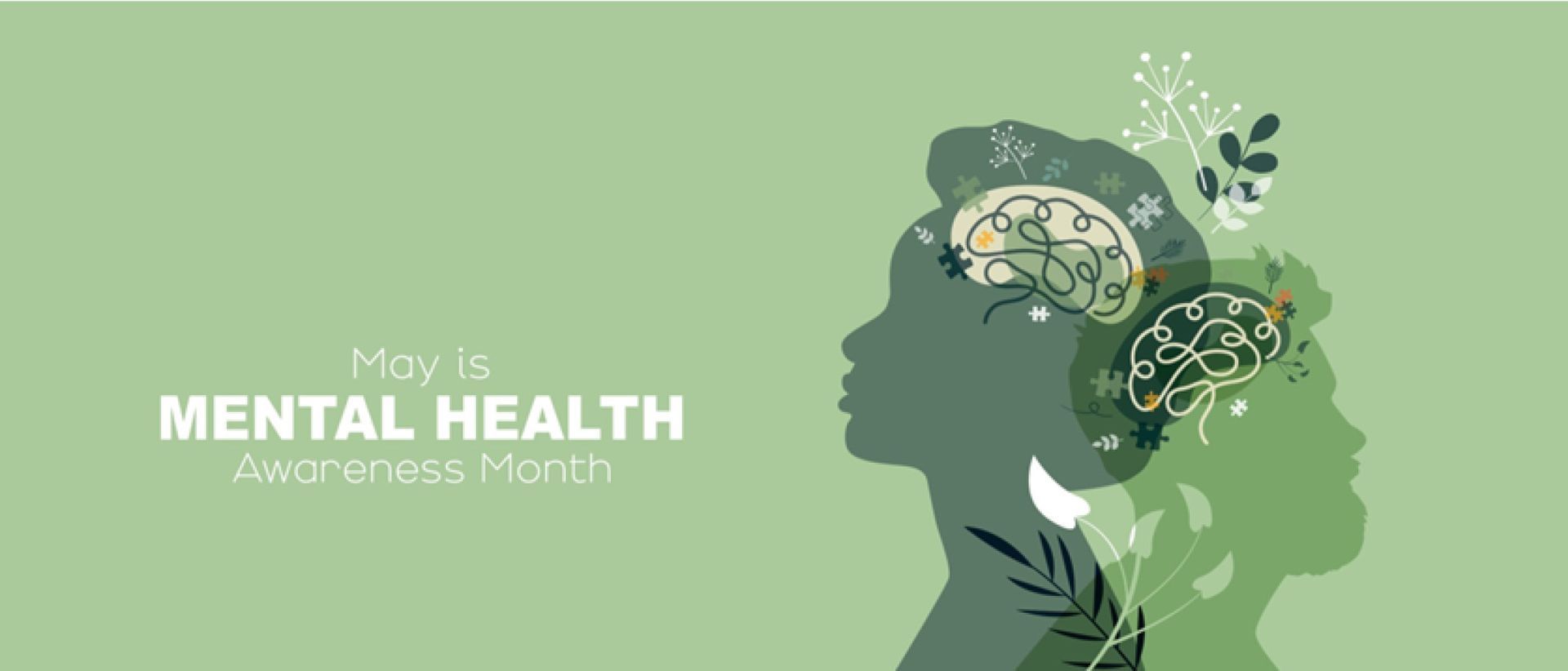
May is Mental Health Awareness Month. This year’s theme, "More Good Days, Together," reminds us of the significance of connecting with others. With the message, "In Every Story, There's Strength," the main goals are to inform people and support wellness. Mental Health Awareness Month was established in 1949 by the National Association for Mental Health to increase awareness of mental illness, reduce stigma, and advocate for better treatment. The movement was spurred by Clifford Beers, who, after experiencing severe abuse in mental institutions, published his autobiography, A Mind That Found Itself . A single individual can catalyze systemic change by acting on their convictions and inspired a movement. Expanding upon NAMH's commitment to fostering substantive understanding, the Juanita C. Grant Foundation continues its legacy of advocacy and connection through its own initiatives. The Foundation’s Forward Together Initiative reflects this historical commitment by organizing its work around three pillars: Forward Wellness, Forward Unity, and Forward Village Connections. Forward Wellness encourages us to explore, grow, and learn, helping us build or renew social connections for better mental health. Forward Unity invites us to share our experiences and value every generation, and Forward Village Connections fosters resilience through relationships and measurable outcomes. This third pillar of the initiative started during the COVID-19 pandemic, when the foundation created The Village Connector Experience to help older adults reconnect with friends, family, and the community. Forward Village Connections continues to provide the resources that help people overcome challenges and feel a sense of belonging. As I reflect on these three pillars, I recognize how much my own understanding of well-being has been shaped by participating in community initiatives that mirror this approach. For example, when I engaged in actionable intentions like Forward Wellness, I found that exploring new social opportunities not only broadened my perspective but also increased my sense of support and connection. Similarly, experiences with multigenerational activities, as emphasized in Forward Unity, deepened my appreciation for the diverse strengths within my community. The interconnectedness of the pillars within the Forward Together Initiative underscores the importance of fostering communal support, personal growth and mental well-being. Life balance isn’t mythical, but it does take practice. Celebrate Mental Health Awareness Month by practicing gratitude, focusing on your strengths, and making time for joy. Each morning, as I enjoy my coffee and listen to my favorite sounds of morning, I feel grateful and look forward to the day.
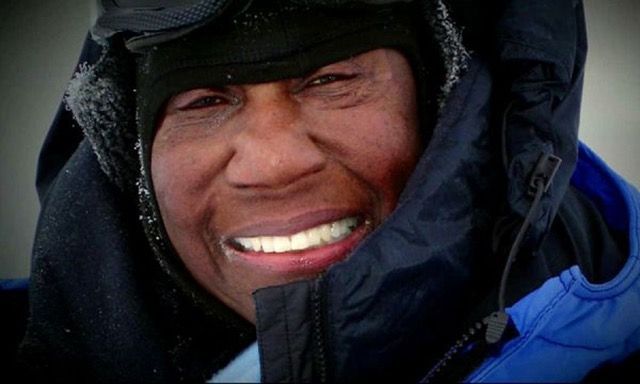
Each March, Women’s History Month invites us to recognize leadership. The 2026 theme, “Leading the Change: Women Shaping a Sustainable Future,” celebrates women whose work strengthens communities and builds what lasts. When we picture leadership, we often imagine early success, public recognition, or formal authority. But some of the most powerful leadership unfolds later. It rises after interruption. It deepens with experience. It grows stronger over time. Consider Barbara Hillary. She was a nurse and community advocate in Harlem. She survived both breast and lung cancer. At 75, she became the first Black woman to reach the North Pole. At 79, she reached the South Pole. She did not train her whole life for those expeditions. She did not wait for the perfect moment. She decided she was not finished. Her story is not only about exploration. It is about endurance. It is about courage. It is about refusing to let age define possibility. She stands alongside women like Grandma Moses, who began painting seriously in her late seventies. Vera Wang, who built a global brand after 40. Julia Child, who published her first cookbook at 49. Toni Morrison, who began publishing in her late thirties and reshaped American literature for generations. None of these women followed a narrow timeline. None accepted the idea that influence belongs only to the young or the already established. They expanded what leadership looks like. This is worth celebrating. Many women practice this kind of leadership every day without headlines. Through caregiving, mentoring, organizing, teaching, building businesses, managing households, returning to work, and stepping into new arenas, they develop skills that strengthen families, workplaces, and communities. These are not small contributions. They are sustaining contributions. They are the kind that build futures. For anyone navigating a second chapter, this message is clear. Leadership does not expire. Experience compounds. Reinvention is not a sign that you are behind. It is proof that you are still growing. Women’s History Month honors those who led before us. It also celebrates the leadership unfolding right now. It celebrates persistence. It celebrates bold decisions made later in life. It celebrates the willingness to begin again. The future is not shaped only by those who started early. It is shaped by those who continue. Where might you decide you are not finished? We welcome your ideas and reflections. If there are topics you would like to see explored in future blogs, especially related to work, career transitions, community contribution, or aging with purpose, we invite you to share them with us. Donna Satterthwaite Vice Chair, Juanita C. Grant Foundation MotivAction Coaching https://www.motivactioncoaching.com

Ambassador Training Program I recently had the opportunity to participate in the Juanita C. Grant Foundation Village Connector Experience (VCE) Ambassador Training Program. Having participated in a significant number of (mostly legal) professional training sessions over the years -- some more useful and interesting than others -- I wasn’t exactly sure what to expect from my VCE training overall. Having now completed this training, I can honestly say that I gained a wealth of useful guidance that will allow me to undertake this new role in a meaningful way. The curriculum was thoughtful and well organized; providing me not only with a fundamental understanding of the overarching goals of the VCE program as it relates to supporting its members, but it also gave me the tools to assess and interact with members experiencing social isolation in a way designed to promote their better reintegration into their community. In this regard, I also learned more about the multi-faceted nature of the issues that might be causing a member to experience social isolation (e.g., mental health, physical challenges, abuse) that can often be identified with these assessment tools. Additionally, the highly interactive nature of the instruction was critical in providing me with “real life” scenarios and challenges that I might be faced with in my role as a VCE Ambassador, and how I might address these situations on a day-to-day basis. I also appreciated how the class instruction showed me how translatable these same assessment tools and information are as a means by which any person can conduct a self-inventory of the relationships in their own lives as it relates to their levels of community engagement and social stability. I am thankful for this learning opportunity and, as a result, feel well equipped to start in my role as a VCE Ambassador.

Why This Month and This Practice Are Personal Black History Month has always held a personal significance for me. As a Black woman, I learned resilience from kitchen‐table stories, quiet sacrifices, and the daily choice to keep showing up when the world felt heavy. Guided journaling became a space where I could hold grief and joy simultaneously. It helped me name what my body already knew: I come from brilliance, I’ve survived so much, and my creativity is a lifeline. From Love of Learning to a Living Journal What supported me most weren’t random questions, but prompts rooted in time‐tested ideas about how to live well. I began studying cultural concepts from communities that treat the work of living with intention: Ubuntu from Southern Africa (interconnectedness), Fika from Sweden (intentional pause), Kaizen from Japan (continuous improvement), and Sisu from Finland (inner courage). Life in Practice grew from the meeting point of guided journaling and this global wisdom. Each month centers one concept and explores it through prompts, gentle self‐care practices, and simple mantras. Instead of telling you to “journal more,” it offers a clear, themed path that meets you where you are. How Life in Practice Works I wanted Life in Practice to feel like a steady companion - something you can return to during busy mornings, quiet evenings, or small pauses between responsibilities. Each month opens with an introduction to the theme, followed by weekly posts with daily prompts, self‐care actions, and mantras. There’s a mid‐month check‐in to help you adjust and an end‐of‐month reflection to honor your progress. Journaling is proven to support emotional processing, reduce stress, and help people make meaning from their experiences. This practice turns that research into something simple and humane: a few sentences at a time that help you see yourself more clearly. Ubuntu and the Heart of Black History Month February’s theme is Ubuntu, which sits at the center of Black History Month’s focus on resilience, brilliance, and creativity. Often expressed as “I am because we are”, Ubuntu reminds us that we become ourselves through the people who raised us, challenged us, protected us, and made room for us. This month’s prompts invite you to notice where you’ve been deeply seen, name the values you inherited from your community, and practice inclusion, mutual support, shared laughter, and the courage to admire others out loud. Sankofa, Chi, and Your Ongoing Story Later in the year, Sankofa invites you to “go back and get it”, retrieving lessons, strengths, and unfinished grief from your past. Chi, from Igbo cosmology, turns your attention to the spark within you - your purpose, your gifts, and the environments where you feel most yourself. These Black-rooted philosophies sit alongside concepts like Fika, Kaizen, and Sisu as essential threads, reminding us that Black cultures have long offered profound language for surviving, thriving, and imagining new futures. Resilience, Brilliance, and Creativity in Your Own Handwriting For me, celebrating resilience means recognizing the ways you’ve bent without breaking and giving yourself tools, like guided journaling, to keep bending back toward wholeness. Celebrating brilliance means honoring the wisdom you carry, the values you’ve inherited, and the gifts you offer, even when no one is clapping. Celebrating creativity means making deliberate space for joy, imagination, and possibility, even when the world is loud and demanding. A few minutes of writing each day can become a quiet act of resistance and renewal, a way of saying, “My story matters. My mind and heart deserve care. I am still becoming.” In this season of honoring Black history, Life in Practice is my offering: a year-long guided journal that helps you weave resilience, brilliance, and creativity into the fabric of your everyday life and keep writing the next chapter, one prompt at a time. Join the practice ➡️ lifeinpracticejournal.substack.com

Expanding Social Connections, Outreach, and Mental Wellness Across Generations The Juanita C. Grant Foundation is proud to announce the launch of Forward Together , a transformative initiative designed to strengthen mental wellness and social connectedness across communities. Built on three dynamic pillars, Forward Together empowers individuals of all ages to thrive through meaningful multigenerational relationships, motivational outreach calls, and practical wellness strategies. 🌱 Forward Wellness — Where Belonging Thrives The first pillar focuses on rebuilding social connections as a pathway to mental wellness. Through interactive workshops and guided presentation sessions, participants will: Explore the interconnections between social connectedness, lived experience, and emotional health Develop personalized mental wellness plans with achievable daily goals Learn practical strategies to foster a sense of belonging and purpose 🤝 Forward Unity — Sharing Voices and Strengthening Futures The second pillar, Forward Unity, bridges generations through intentional, sustainable friendships. Our co-generational and intergenerational model includes: Activities that celebrate shared experiences, the gift of wisdom, and the brilliance of youth Power-sharing education to promote mutual respect and appreciation for each generation Tools to permanently eliminate social isolation by fostering deep, reciprocal bonds Trainings for older adult and youth advocates to facilitate co-generation and intergeneration programs in their communities 📞 Forward Village Connection — Building Resilience Through Connections Inspired by our successful Village Connector Experience outreach program launched during the COVID-19 pandemic, this pillar empowers older adults to re-engage with friends, family, and the community. Key components include: Lifelong skills in setting achievable goals, conquering challenges, and making new social connections Support systems that reinforce belonging and mental wellness through social connection Measurable outcomes demonstrating gains in social connectedness and improved mental wellness A Movement Toward a More Connected Future Together, these pillars form a powerful framework for healing, growth, and unity. Forward Together is more than a program—it’s a movement toward a more connected, compassionate future. 📧 For partnership opportunities, program details, or to support our mission, contact us at ogrant@jcgfdn.org 🌐 Visit us at www.juanitaCgrantfoundation.org
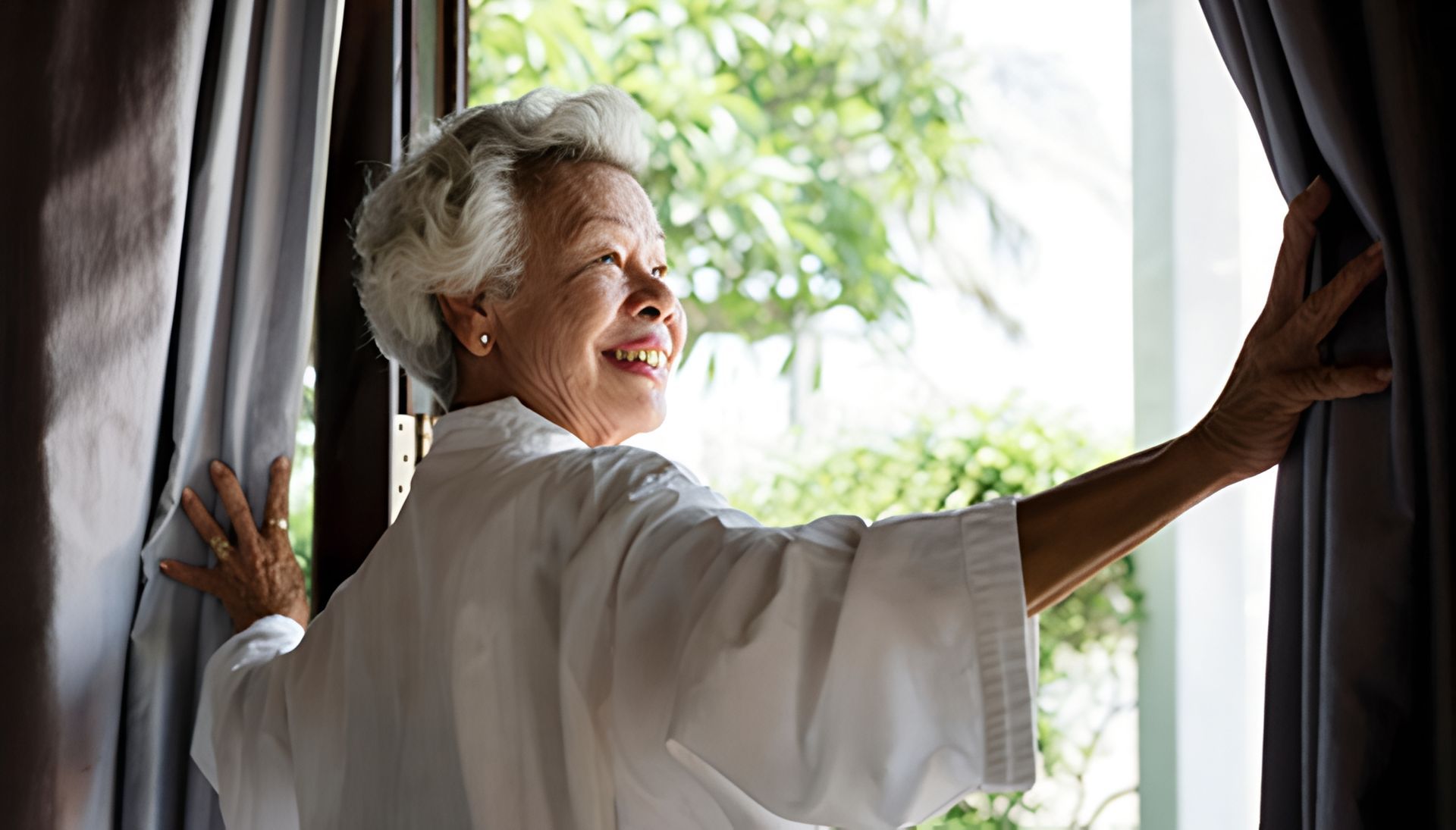
Life is full of ups and downs, and our emotions often ride the waves with us. Some days we feel light and hopeful, while other days can feel heavy and overwhelming. Because emotions are such a central part of being human, I’ve developed a simple framework to help navigate them with more clarity and resilience. It rests on three pillars: Emotional Optimism, Emotional Bravery, and Emotional Efficiency. I use the word emotional intentionally. We are emotional beings, and while we can’t always control what we feel, we can choose how we respond. This framework is about moving through emotions productively, rather than getting stuck in them. Emotional Optimism This is the ability to see possibility even when life feels hard. Optimism doesn’t mean ignoring pain or pretending everything is fine. It means remembering that tomorrow can be better, because you’ve already survived every hard day you’ve faced so far. For example, after a difficult conversation with a loved one, it’s easy to spiral into self-doubt. But optimism reminds you that feelings are temporary, and you have the power to shift your inner dialogue. No one else can rewrite your negative self-talk—only you can. Emotional Bravery Optimism is the mindset, but bravery is the action. It’s about taking a step forward instead of sitting still in discomfort. Maybe you had a fight with a friend and feel hurt. Emotional bravery is reaching out the next day to say, “Yesterday was tough for me. Can we talk about it again when you’re ready?” Bravery doesn’t erase fear or sadness—it simply means you act anyway. Emotional Efficiency The third pillar is about speed and momentum. The more you practice optimism and bravery, the faster you can move through emotional turbulence. Think about the last time you faced disappointment—maybe missing out on an opportunity or experiencing rejection. The first time, it might have taken days to recover. But with practice, you learn your own triggers, and you can bounce back in hours instead of days. Efficiency doesn’t mean rushing your feelings; it means not letting them hold you hostage. At its core, this framework is about movement. Emotions are real, powerful, and deeply human—but they don’t have to define us. By practicing optimism, bravery, and efficiency, we can keep moving forward, even when life feels heavy. Michael Bare, ISHC Board Treasurer Chief Executive Officer Bare International