

I Am Still Here: Writing Our Way Into Black History

February 10, 2026
Person writing in a notebook at a wooden table near a window; soft light.

Why This Month and This Practice Are Personal

Black History Month has always held a personal significance for me. As a Black woman, I learned resilience from kitchen‐table stories, quiet sacrifices, and the daily choice to keep showing up when the world felt heavy. Guided journaling became a space where I could hold grief and joy simultaneously. It helped me name what my body already knew: I come from brilliance, I’ve survived so much, and my creativity is a lifeline.


From Love of Learning to a Living Journal What supported me most weren’t random questions, but prompts rooted in time‐tested ideas about how to live well. I began studying cultural concepts from communities that treat the work of living with intention: Ubuntu from Southern Africa (interconnectedness), Fika from Sweden (intentional pause), Kaizen from Japan (continuous improvement), and Sisu from Finland (inner courage).


Life in Practice grew from the meeting point of guided journaling and this global wisdom. Each month centers one concept and explores it through prompts, gentle self‐care practices, and simple mantras. Instead of telling you to “journal more,” it offers a clear, themed path that meets you where you are.


How Life in Practice Works

I wanted Life in Practice to feel like a steady companion - something you can return to during busy mornings, quiet evenings, or small pauses between responsibilities. Each month opens with an introduction to the theme, followed by weekly posts with daily prompts, self‐care actions, and mantras. There’s a mid‐month check‐in to help you adjust and an end‐of‐month reflection to honor your progress.


Journaling is proven to support emotional processing, reduce stress, and help people make meaning from their experiences. This practice turns that research into something simple and humane: a few sentences at a time that help you see yourself more clearly.


Ubuntu and the Heart of Black History Month

February’s theme is Ubuntu, which sits at the center of Black History Month’s focus on resilience, brilliance, and creativity. Often expressed as “I am because we are”, Ubuntu reminds us that we become ourselves through the people who raised us, challenged us, protected us, and made room for us. This month’s prompts invite you to notice where you’ve been deeply seen, name the values you inherited from your community, and practice inclusion, mutual support, shared laughter, and the courage to admire others out loud.


Sankofa, Chi, and Your Ongoing Story

Later in the year, Sankofa invites you to “go back and get it”, retrieving lessons, strengths, and unfinished grief from your past. Chi, from Igbo cosmology, turns your attention to the spark within you - your purpose, your gifts, and the environments where you feel most yourself. These Black-rooted philosophies sit alongside concepts like Fika, Kaizen, and Sisu as essential threads, reminding us that Black cultures have long offered profound language for surviving, thriving, and imagining new futures.


Resilience, Brilliance, and Creativity in Your Own Handwriting

For me, celebrating resilience means recognizing the ways you’ve bent without breaking and giving yourself tools, like guided journaling, to keep bending back toward wholeness. Celebrating brilliance means honoring the wisdom you carry, the values you’ve inherited, and the gifts you offer, even when no one is clapping. Celebrating creativity means making deliberate space for joy, imagination, and possibility, even when the world is loud and demanding. A few minutes of writing each day can become a quiet act of resistance and renewal, a way of saying, “My story matters. My mind and heart deserve care. I am still becoming.”

In this season of honoring Black history, Life in Practice is my offering: a year-long guided journal that helps you weave resilience, brilliance, and creativity into the fabric of your everyday life and keep writing the next chapter, one prompt at a time.


Join the practice ➡️lifeinpracticejournal.substack.com

Must Read Newsletter

Sign up for news and events

Newsletter

Most Popular
By Bernice Lowe Flowers May 2, 2022
I enjoy going to the gym, exercising, outdoor activities, and walking the neighborhood when the weather is good. For so many of us, these activities were halted because we were housebound and instructed to adhere the social distancing mandate to prevent the spread of COVID-19. Being an avid walker, I was not too thrilled about these restrictions, so I maintained my exercise routine the best I could indoors. Believe it or not, many of us felt confined and are still struggling with the effects of physical, emotional, and cognitive challenges following months of being cooped up indoors. Do you agree? Stopping normal activities, or even mingling with other people can have a tremendous bearing on older adults especially when many of us are postponing going to the doctor for routine medical checkups because we are still afraid of becoming infected and gravely ill from the virus. Well, if we don’t address or confront these fears and issues, we are likely to face poorer health challenges and increased medical problems. So, what are our next steps? Since most of us are vaccinated and boosted, and anxious to venture outdoors again, let’s begin with scheduling our medical appointments to make sure we are physically ready to be active after being housebound for almost two years or more. If we have concerns about going to the clinic or doctor’s office, another option is to schedule a virtual visit, which is a new and convenient way to connect with healthcare professionals. Stay tuned for Part 2-Tips To Get Us Moving! Bernice Lowe Flowers, Board Member
By Carla Pettus, J.D. July 23, 2020
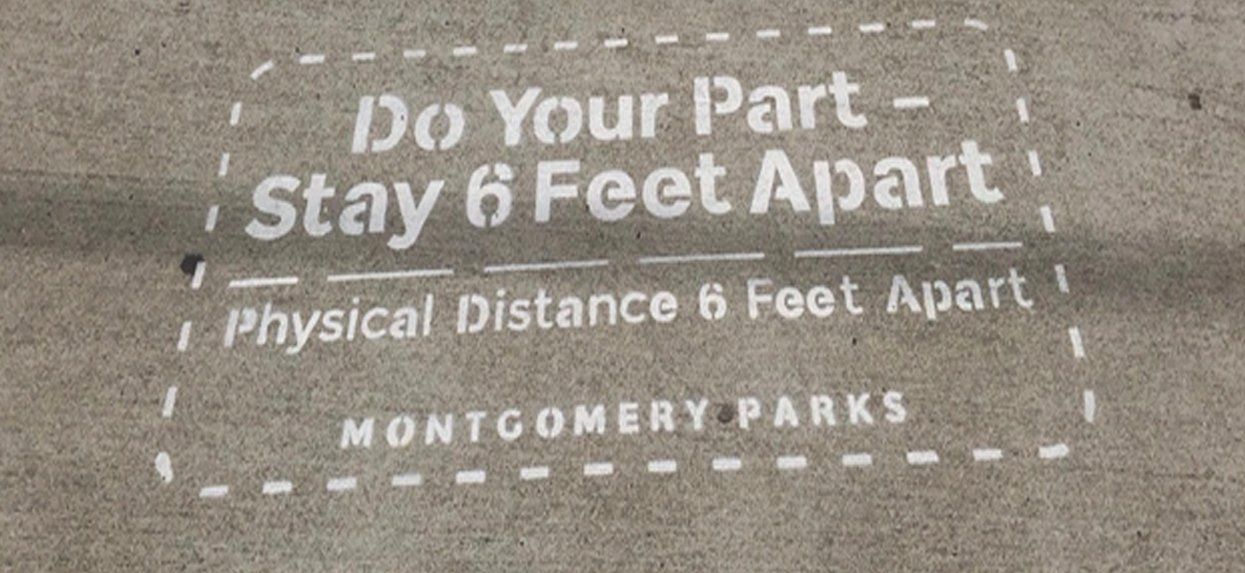
 During the coronavirus pandemic, we have become overly concerned with maintaining the six feet distance designations and wearing our masks. We are annoyed when individuals do not follow the markings for six feet; ignore the directional markings in stores; or simply refuse to wear a mask for their own or loved ones’ protection. Conscious of our potential exposure to the virus, most of us are not spending a lot of time in grocery stores. We have a list and we hurriedly go through the aisles collecting our items and rush to the checkout. We avoid eye contact with anyone, i.e., other people in the aisles, stockers, workers, etc. If anyone sneezes or coughs in our immediate area, we are devastated and give the individual the “evil eye”. While I must admit, some of my actions resemble some of the above. However, I decided that I must consciously work on undoing some of these responses. I am a social being and realized that it was not sustainable for me to continue behaving this way. (My friends have tagged me the “Pied Piper” -- knowing no strangers.) So, I have made it a concerted effort to reverse some of these unsociable behaviors while socially distancing. Even under our current conditions, mask wearing and all, we can still smile with our eyes. Eyes have been called the windows into our hearts. So, I challenge you to just imagine how your sharing a small twinkle or displaying that gleam in your eye can bring calm and joy to those you encounter. Also, think of engaging in small mindful gestures such as a little wave of acknowledgement to someone you encounter or waiting a few feet away to allow someone to grab a grocery cart in isolation. I think if we each think of how we can restore some of the social niceties that are missing in today’s environment, that we would come up with endless possibilities that will work while socially distancing. Let us take the challenge by each of us trying to restore some civility or nicety into our society by being sociable as we are socially distant.    
By Carla Pettus, Esq. | July 23, 2020
 Is it just me that think a lot of advertisements depict the 55+ community as people simply waiting at death’s door? They, in general, seem to send the message that we are lackluster; out-to-pasture; and no longer contributors to society. Nothing could be further from the truth. Some of us are still working, others are volunteering in schools, food banks, and other charitable initiatives (some a little less now due to the coronavirus pandemic); and there are those that are enjoying life by participating in activities such as marathons, skiing, swimming, dancing, cycling, etc. Based on news stories, we see more grandparents are raising their grandchildren and not missing a step to ensure that their grandchildren attend a myriad of activities; and 80+ individuals are living active lives to the fullness in so many ways, i.e., SCORE volunteers providing business advice to new entrepreneurs; obtaining college and advanced degrees; and so much more. I  must admit with much amusement, I witnessed a 90+ woman in my church raise up her walker and do a little jig! Our minds are still sharp, our bodies are able, and we still participate in society in so many meaningful ways. We share our wisdom and knowledge with the next generation(s) while at the same time we re-tool ourselves to keep current with the latest technology. So, let us dispel the myths (or mis-messaging) of aging and let everyone know that, #aging it’s a good thing!     
By Donna Satterthwaite July 22, 2020
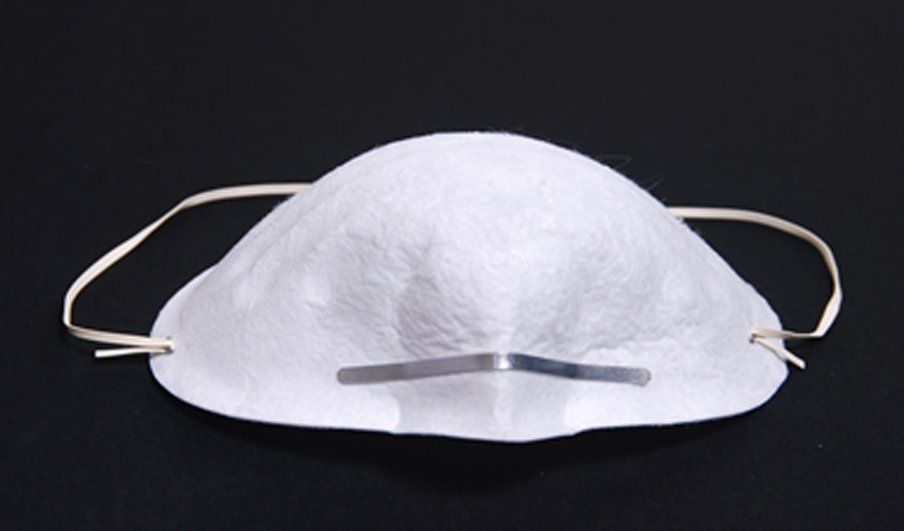
The COVID-19 pandemic has really turned all of lives upside down, coping with this new phenomenon, wearing a mask. Older adults of late have become victims to unscrupulous predators wearing a mask. Since the COVID-19 pandemic, the enforcement of masks wearing has left our older adults vulnerable targets for abuse and robbery. While they are not able to see the entire face of an individual behind the mask, at times this has caused some older adults to be less observant of their surroundings. As result older adults may be caught unaware of someone following them or aggressively moving towards them.  During this COVID-19 pandemic period, please encourage your older adult family member, friends, and neighbors, to stay alert while they are venturing out into the public to take care of whatever need they might have. If you have an older adult relative, or if you know of an older adult who lives alone, please offer to run errands for them or go with them. This will help in increase their safety and ensure they are able to have their daily needs met.        
By Donna Satterthwaite July 12, 2020
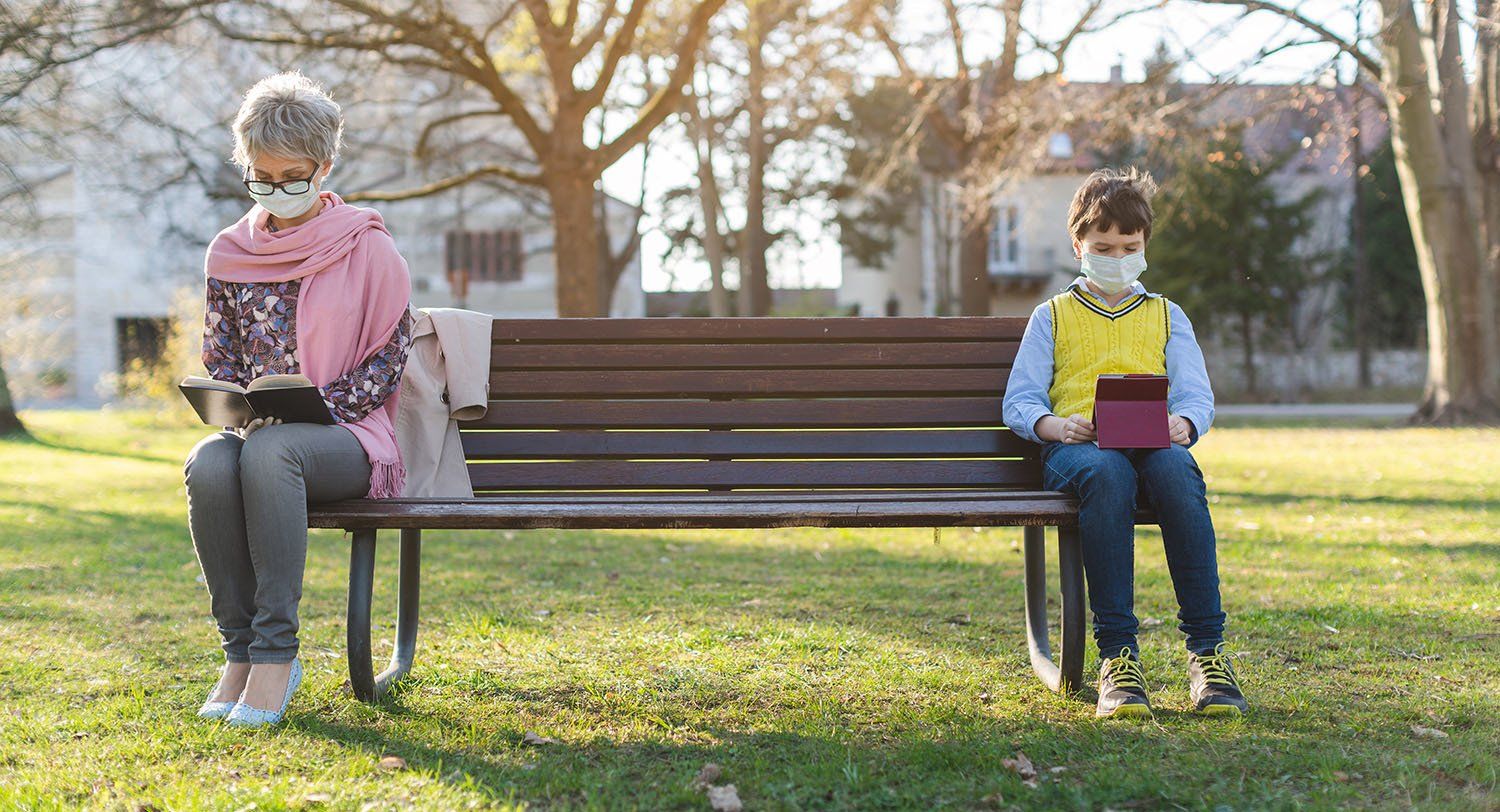
 Older adults and people who have severe underlying medical conditions like heart or lung disease or diabetes seem to be at higher risk for developing more serious complications from COVID-19.      On the website of the Centers for Disease Control and Prevention (CDC) it is referred to as “social distancing.” I was never comfortable with that phrase because of the pictures it brings to the mind’s eye about isolation and especially about older adults in isolation.     There is a difference between being alone and being isolated or lonely. Google the words cigarettes and isolation together and you will see stated many times that loneliness and social isolation can be as damaging to one’s health as smoking 15 cigarettes a day. This statement has been out for five years B.C. (before COVID). With the onset of COVID-19 and older adults being a target demographic to become ill from it, the focus on isolation has become amplified.     It is important to have solutions that help each of us with social isolation while we continue to physically distance from others. And you know what? This also means each of us should commit to taking affirmative steps to help ourselves and others in a post-COVID world as well. AARP provides recommendations to help mitigate the harmful effects of isolation . Some of them are to:     Connect with family, friends or loved ones. Make the effort to do it, even if you must push yourself. Just a few minutes will go a long way. Take breaks from watching, reading, or listening to news stories, including social media. Care for living things like pets or plants Take care of your body: walking inside or out, light stretching, eat as healthy as possible. Listen to music, find activities that bring joy. Find ways to laugh.  Visit the AARP Foundation’s Connect to Affect to find access to other resources and to learn more about social isolation.